Accepting New Patients Every Day! Same-day & walk-in appointments welcome at all our clinics.Same-day & walk-in appointments welcome at all our clinics.
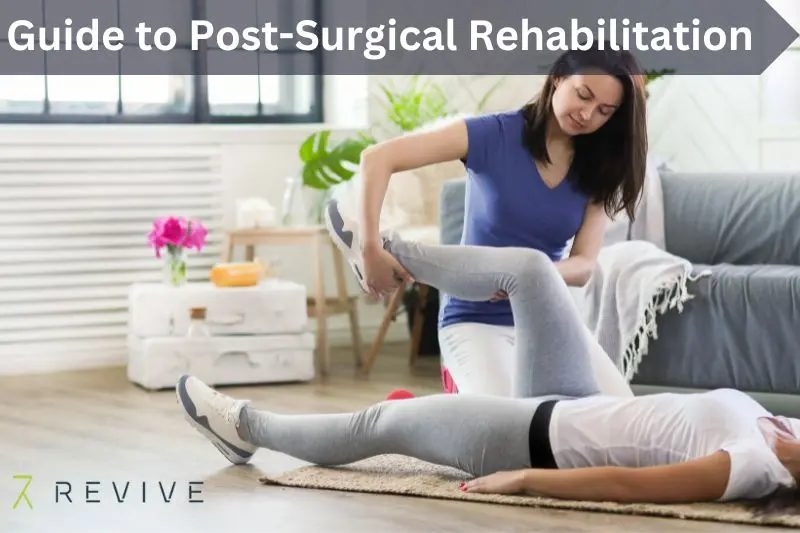
Undergoing surgery is a significant physical and emotional milestone. However, the real work begins post operatively, where rehabilitation becomes critical to restoring health and function. While people vary in their surgical experiences, one aspect that remains consistently crucial is the role of physiotherapy in the recovery process.
This comprehensive guide to post surgical rehabilitation explores how physiotherapy plays a pivotal role in recovery, ensuring a smoother path back to health and an improved overall quality of life.
The post surgical period is a unique context demanding tailored rehabilitation approaches. Recovery involves healing from the immediate effects of surgery as well as secondary consequences, such as immobilization, pain, and disuse of muscles and joints. This often leads to a decline in overall physical capabilities, creating a need for customized recovery strategies.
Physiotherapy, in this regard, is not merely a set of exercises but a systematic approach to re establishing functional movement patterns, reducing pain, and promoting healing. Post surgical patients find themselves in the hands of empathetic and experienced physiotherapy professionals who recognize that every surgical intervention, whether orthopedic, cardiac, or neurological, demands specialized rehabilitation protocols.
The post surgical rehabilitation process typically begins with a comprehensive assessment. Here, the physiotherapist evaluates the patient current state, noting any functional limitations, pain levels, and specific challenges related to the surgical procedure. The assessment is an interactive process, as patients are encouraged to share their experiences and goals, which are then integrated into the rehabilitation plan.
Based on the initial assessment, a tailored rehabilitation plan is designed to meet the patient needs. This plan considers the type of surgery performed, the patient age, baseline physical condition, and desired level of function. Physiotherapists work closely with the surgical team, ensuring the program aligns with the surgeon post operative recommendations.
Realistic and measurable recovery goals help patients stay motivated throughout their rehabilitation. Whether regaining strength, improving mobility, or returning to a specific activity, setting targets creates a roadmap for progress. Involving the patient in goal setting empowers them to participate actively in their recovery.
Prescribed exercises are a core component of post op physiotherapy. These target specific muscle groups and movement patterns to improve strength, flexibility, and endurance. Patients benefit from a range of exercise approaches, including manual therapy, clinical Pilates, and hydrotherapy.
Hands on techniques, including soft tissue massage, joint mobilization, and manipulation, help alleviate pain and improve joint mobility. Manual therapy is particularly effective for conditions such as frozen shoulder and back pain following orthopedic procedures.
Maintaining balance and proprioception, meaning awareness of the body position in space, is crucial post surgery to prevent falls and avoid further injury. Our physiotherapists help patients redevelop these vital skills through specific exercises and activities.
Surgery can disrupt the body standard movement patterns. Neuromuscular re education techniques, such as biofeedback and proprioceptive neuromuscular facilitation, retrain the brain and muscles to work harmoniously, restoring normal function.
Effective pain management is an integral part of post surgical rehabilitation. Physiotherapists apply various techniques to control pain, such as heat and cold therapy, TENS, massage therapy, and desensitization exercises.
Educating patients about their surgery, rehabilitation process, and preventative measures is critical to successful recovery. Physiotherapists advise on activity modification, ergonomics, and home exercises to support long term health.
Advances in technology have opened new avenues for post surgical rehabilitation. Virtual physiotherapy sessions, wearable devices, and tele rehabilitation platforms not only enhance accessibility but also foster patient engagement.
Virtual physiotherapy or telehealth services allow patients to connect with their physiotherapist from the comfort of their homes. This model benefits patients with mobility restrictions or who live in remote areas, providing a continuum of care.
Devices like activity trackers and wearable rehabilitation technology provide real time patient progress data. Physiotherapists use this information to adjust and optimize the rehabilitation plan as needed, keeping the focus on achieving recovery goals.
Post surgical rehabilitation and recovery involves emotional and psychological elements. Anxiety, depression, and fear of re injury are common concerns for patients. Physiotherapists address these issues through open communication and support, and by fostering a positive and encouraging environment.
Integrating mental health strategies into the rehabilitation plan is increasingly recognized as necessary for the overall well being of post surgical patients. Mindfulness techniques, breathing exercises, clinical counselling, and progressive relaxation methods are part of a holistic approach to recovery.
The ultimate goal of post surgical rehabilitation is a safe return to daily activities, work, and hobbies. Gradual progression of physical demands, progress monitoring, and ongoing support from the physiotherapist help facilitate this transition, which may involve simulated work tasks, sport specific training, and community reintegration programs.
Recognizing and celebrating milestones in the recovery process is vital for maintaining motivation. Whether it is taking the first step without crutches or completing a set of exercises, each achievement deserves acknowledgment. Our physiotherapy clinics create an atmosphere of positivity where patients are encouraged to celebrate their successes, no matter how small.
Sustaining progress beyond the formal rehabilitation program is equally important. Our physiotherapists equip patients with the knowledge and tools to continue their exercises at home and make healthy lifestyle choices, while accessing community resources and support networks to continue the recovery journey.
If you or a loved one is navigating the post surgical phase, the role of physiotherapy in the recovery process cannot be overstated. Our skilled professionals are dedicated to guiding patients through rehabilitation, empowering them to reclaim their health and independence.
Every step counts in the post surgical recovery path, and with the right support, every patient can achieve their optimal functional state. Contact our team for more in depth advice and resources, or book an appointment with one of our physiotherapists today.
Get trusted physiotherapy, rehabilitation and wellness resources from Revive Rehab more easily when you search on Google.
Your Google preferences are controlled by you and can be changed at any time.
Ready to experience evidence-based care? Our multidisciplinary practitioners are here to support your recovery goals.