Accepting New Patients Every Day! Same-day & walk-in appointments welcome at all our clinics.Same-day & walk-in appointments welcome at all our clinics.
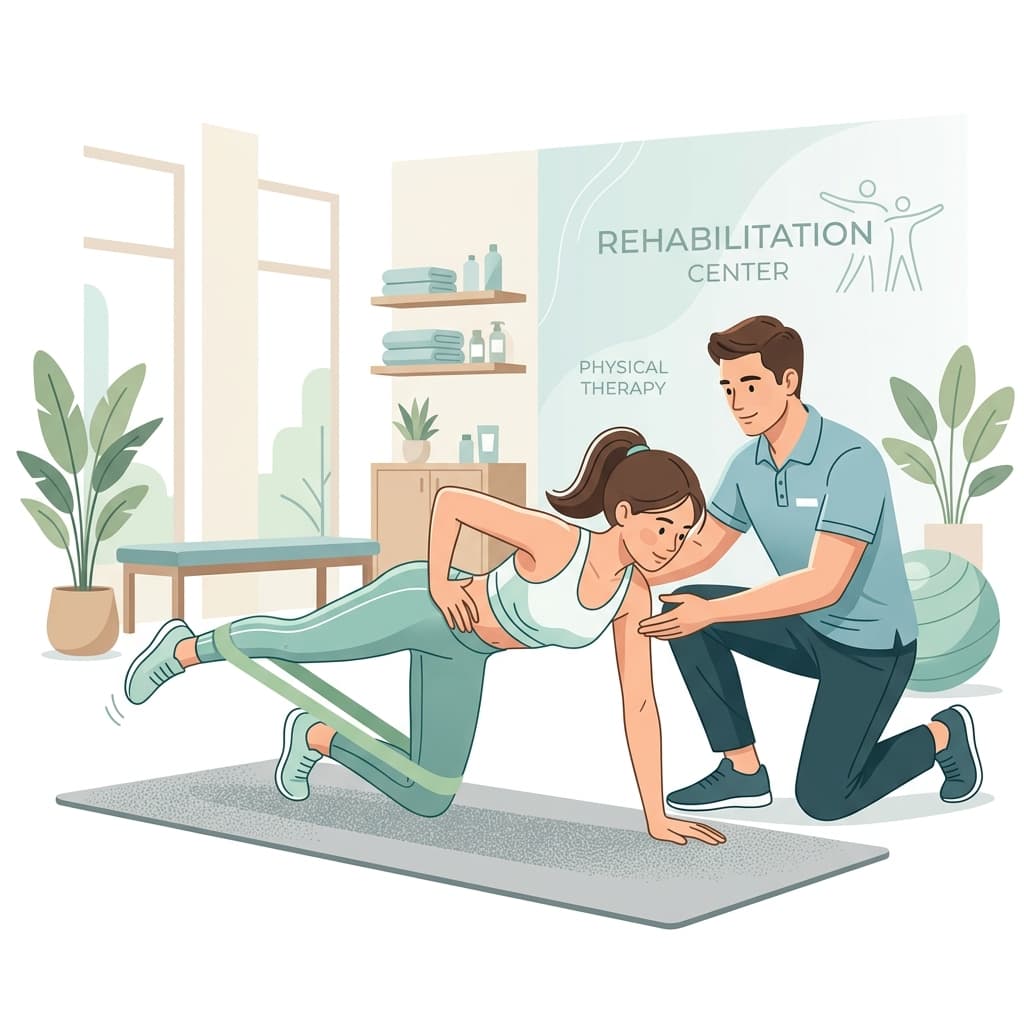
Did you know that one in every five Canadians lives with chronic pain, as per the Government of Canada? There are several possible causes of chronic pain, such as arthritis, multiple sclerosis, fibromyalgia, or neuropathy. While there is no definite cure for chronic pain, it can be managed through various means. Medications can help alleviate symptoms, and physiotherapy can also be beneficial. If you are struggling with chronic pain, it’s essential to manage it effectively. If you want to know more about how you can manage chronic pain better, keep reading!
Pain is a signal from the nervous system that alerts individuals to underlying issues in the body. It can be dull or sharp and manifest in various ways, from localized discomfort to widespread sensations. Pain involves a complex interplay among specialized nerves, the brain, and the spinal cord.
Acute and chronic pain are both recognized in the medical field. Acute pain usually subsides within 3 to 6 months and often results from soft tissue injuries such as cuts, wounds, or sprains. It is known for its intense and sharp nature. On the other hand, chronic pain persists beyond six months and is commonly associated with conditions such as arthritis. Lower intensity levels with frequent flare-ups characterize it.
Chronic pain is a persistent and distressing sensation that can severely impact an individual’s ability to engage in routine daily tasks. This condition hinders mobility and affects mental well-being, diminishing quality of life. The following list encompasses a range of conditions that individuals may endure, each presenting its own challenges and complexities.
Chronic pain and acute pain are distinct types of pain. Acute pain is caused by a physical injury, like a cut or a fracture, and typically subsides once the body has fully healed. However, chronic pain persists even after the body has recovered from an injury or illness. In some instances, the cause of the pain is not apparent.
Chronic pain can take various forms and affect different body areas. Some common examples include:
Chronic pain may have an obvious cause. For instance, you may have a long-lasting illness, such as arthritis or cancer, that can cause ongoing pain. Injuries and diseases can also cause changes to your body, leaving you more sensitive to pain, even after you’ve healed from the original injury or disease. A sprain, a broken bone, or a brief infection can leave you with chronic pain.
On the other hand, some people experience chronic pain that is not caused by an injury or physical illness. Healthcare providers call this response psychogenic pain or psychosomatic pain. It’s caused by psychological factors such as stress, anxiety, and depression. Many scientists believe this connection comes from low levels of endorphins in the blood, which are natural chemicals that trigger positive feelings.
It’s possible to have several causes of pain overlap. For example, you could have two different diseases, or migraines and psychogenic pain, together.
Individuals who suffer from chronic pain tend to express their pain in various ways. This may include, but is not limited to, various descriptive terms:
Chronic pain can also result in the development of other symptoms and conditions, such as:
Chronic pain is a debilitating condition that affects millions of people worldwide. It impairs their quality of life and is often challenging to manage. However, physiotherapy has emerged as a highly effective approach to manage chronic pain and restore function. Our Surrey physiotherapists employ a range of techniques tailored to the individual needs of patients, offering hope and relief to those suffering from persistent pain.

Chronic pain is a type of pain that lasts for a long time, often beyond the initial injury or illness that caused it. It can take different forms, such as musculoskeletal pain, neuropathic pain, or a combination of both. Unlike acute pain, which is a warning sign of tissue damage, chronic pain persists long after the injury has healed and involves complex neurophysiological processes.
Physiotherapy is crucial in managing chronic pain as it targets the root causes, improves physical function, and helps develop self-management strategies. In Surrey, our team of physiotherapists uses a multidisciplinary approach to create customized treatment plans that incorporate various evidence-based techniques, working closely with patients to achieve optimum results.
Effective chronic pain management techniques used at our Surrey Active Rehab clinic include:
Physiotherapy takes a comprehensive and patient-focused approach to managing chronic pain, addressing its physical, psychological, and social dimensions. In Surrey, physiotherapists utilize a variety of research-based techniques to empower individuals living with chronic pain, enabling them to regain control over their lives and achieve significant improvements in function and quality of life. If you’re struggling with chronic pain, seeking help from a physiotherapist in Surrey could be your first step towards effective pain management and recovery.
Managing chronic pain can be challenging, but there are several effective strategies to try. Here are a few tips:
Physiotherapy is an excellent treatment option to manage chronic pain. Apart from providing relief, it can also help increase your strength and mobility. For example, a physical therapist can guide you through a series of exercises designed to strengthen your muscles and joints as part of broader back pain treatments. Additionally, pain relief exercises can teach you to target the source of the pain. In short, they can treat the issue in various ways to help you feel better and improve your quality of life.
Stress can make your body more sensitive to pain. It can also cause your muscles to tense up, leading to ongoing neck, shoulder, and back pain. Luckily, several techniques can help reduce stress. For instance, listening to calming music can improve your mood. Practicing yoga can also be effective.
Smoking may increase pain sensitivity and perception, leading to a higher risk of chronic back pain development in smokers.
When you exercise, your body releases endorphins, chemicals known to relieve stress and pain. These chemicals bind to special receptors and block pain signals, helping to alleviate discomfort. Additionally, exercising can help strengthen your muscles, preventing further injury and pain. However, it’s important not to overdo it. Consider consulting with your doctor about physical activities best suited to your needs.
Consider joining a support group if you want to connect with individuals in a similar situation. In other words, you will be able to socialize with others who are also facing the same issues.
If you need assistance locating support groups in your area, ask your healthcare provider. Additionally, your local hospital may have resources available to help you in this regard.

Complications of chronic pain can include:
It’s crucial to seek medical care if you’re experiencing chronic pain because its complications are severe. There are numerous options available for pain treatment and management. Although it may take some time to find the right combination of therapies that work for you, it’s worth trying.
As you can see, various things can help manage chronic pain, such as physiotherapy and exercise. The complications of chronic pain are serious, which is exactly why it’s essential to seek medical care early rather than waiting for symptoms to worsen.
And there we have it, five things to keep in mind when you’re living with chronic pain. As you can see, various things can help, from physiotherapy to exercise.
Looking for a physiotherapy clinic in Surrey? Feel free to contact us to set up an appointment!
Get trusted physiotherapy, rehabilitation and wellness resources from Revive Rehab more easily when you search on Google.
Your Google preferences are controlled by you and can be changed at any time.
Ready to experience evidence-based care? Our multidisciplinary practitioners are here to support your recovery goals.